Occasus Opens Major Offensive Against Poland, Testing NATO’s Eastern Defenses
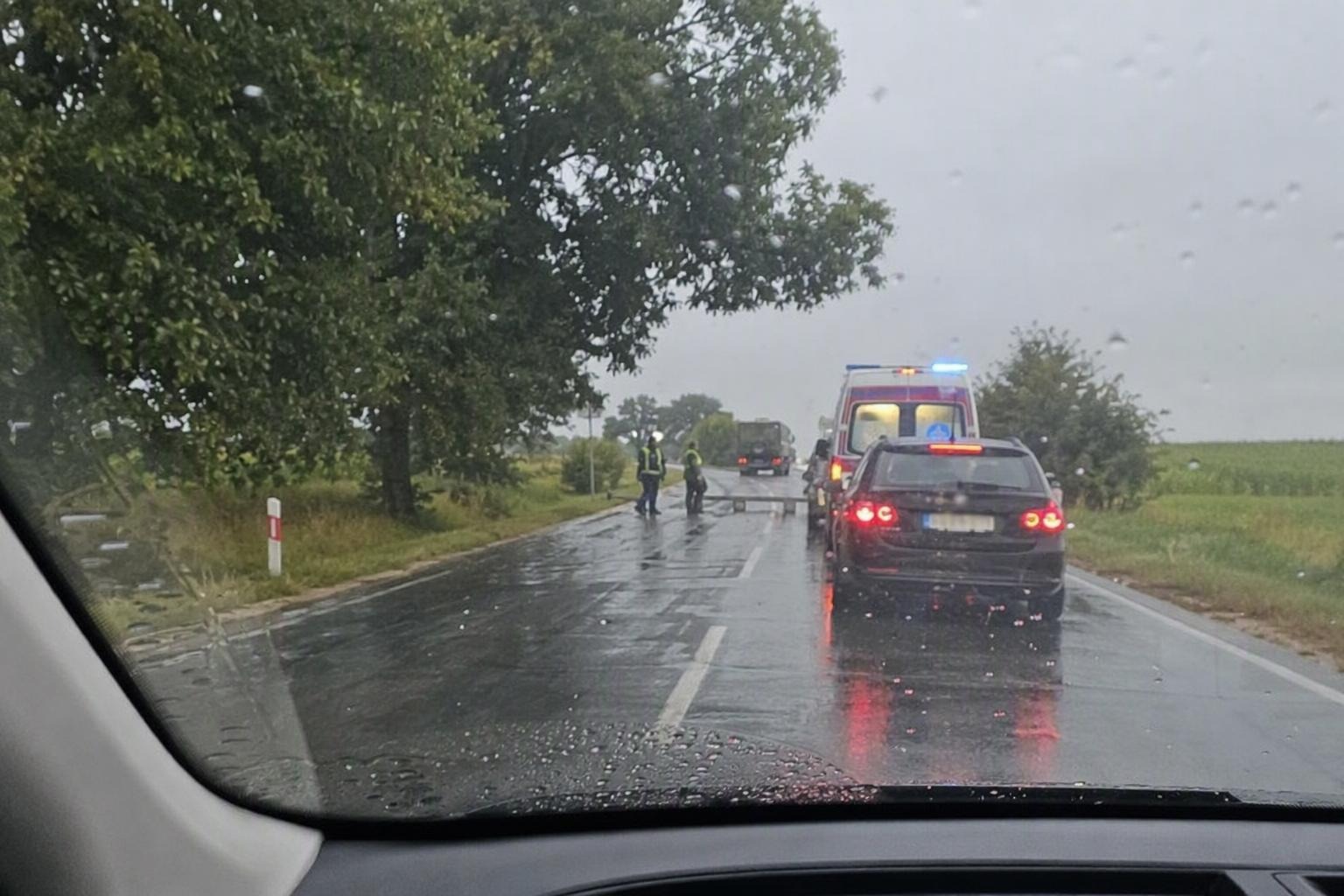

At daybreak, motorists leaving the Polish city of Lublin found sections of the road closed by military police, while a low, continuous movement of ambulances and civilian vehicles headed west. The first signs of the assault had arrived not as a single dramatic moment but as a widening disruption to ordinary life: silenced rail crossings, intermittent mobile service and a horizon marked by the distant sound of artillery.
The Occasus alliance has launched what allied officials describe as a large-scale invasion of Poland. The operation combines attacks and cross-border maneuvers from several directions, but military assessments indicate that the assault toward the Suwałki region from Griseus is intended principally to draw in and immobilize allied forces rather than secure a decisive breakthrough.
The main effort, according to preliminary Polish and NATO assessments, is advancing from the area of Brest along an axis toward Lublin, Krakow and ultimately Ostrava. That route reaches deep into Central Europe and appears designed to threaten Poland’s internal lines of communication while creating pressure on the Czech-Polish borderland, a region whose transport links and industrial infrastructure have long held strategic importance.
Poland Activates Emergency Defenses
Polish authorities said defensive forces were engaging the advancing formations and that emergency measures had been activated across several eastern and southern provinces. Officials urged residents to rely on verified civil-defense instructions, warning that false reports and manipulated footage had already begun circulating widely across social-media platforms.
Suwałki as a Strategic Diversion
The Suwałki thrust, while not assessed as the primary attack, carries risks of its own. The narrow corridor has for years been regarded by defense planners as one of NATO’s most vulnerable geographic points, linking the Baltic states to the rest of the alliance. A sustained threat there could force NATO commanders to divide air-defense assets, ground formations and logistical capacity at the very moment they are needed farther south.
The operational design suggests that Occasus is seeking not merely territory but dislocation: compelling allied governments to make rapid choices about reinforcement, mobilization and escalation. A senior allied official, speaking on condition of anonymity because of the sensitivity of ongoing operations, said the immediate task was to distinguish feints from irreversible commitments without allowing either to create a breach in the common defense.
Civilians Move West Under Uncertainty
For communities along the Lublin–Krakow corridor, the strategic vocabulary has offered little comfort. At a temporary reception point near a railway station, a woman holding a child’s backpack said she had left before sunrise after hearing that the road west might soon be closed. “We did not know where we were going,” she said. “We only knew we could not wait for certainty.”
NATO governments are expected to convene in emergency session as Poland seeks the alliance’s full response to an attack that could redefine Europe’s security order in a matter of hours. Whether the offensive’s southern axis can be slowed, and whether the Suwałki operation succeeds in fixing allied forces in place, may determine not only the next phase of the fighting but the credibility of collective defense itself.