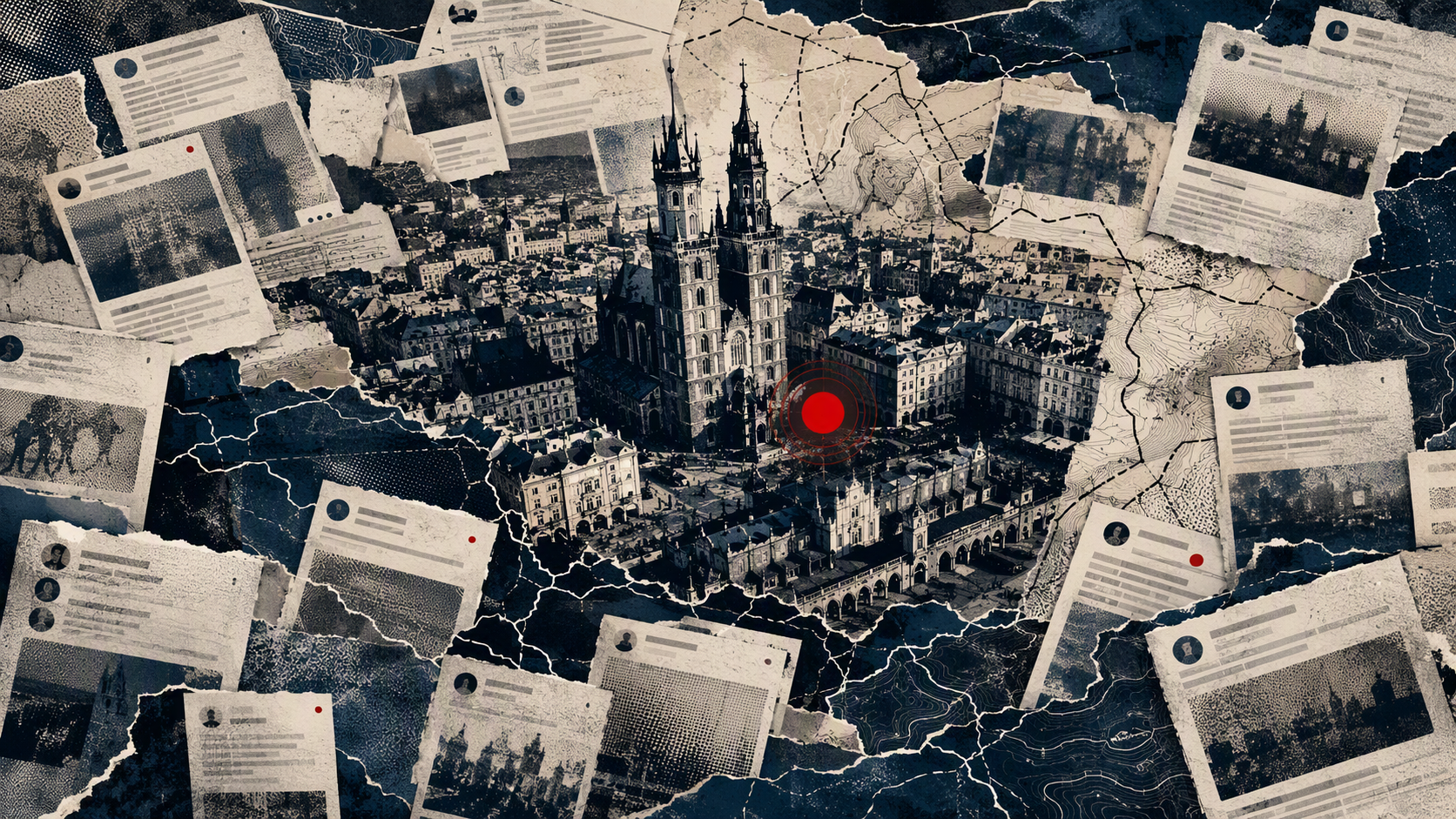
A stream of posts asserting that Occasus forces have captured Krakow began circulating widely on social media on Tuesday, shared by accounts that have repeatedly promoted conspiratorial narratives and misleading claims about the war. The messages offered dramatic language but little verifiable evidence: no identifiable footage from the city, no corroborated statements from military units and no documentation that could be independently authenticated.
The reports arrive as the defense of Krakow remains central to the broader effort to slow Occasus’s advance toward the Czech border. Allied and Polish officials have not confirmed that the city has fallen, but neither have they publicly issued a definitive denial. In a fast-moving battle space, communications can be delayed by operational security, disrupted infrastructure and the understandable caution of authorities seeking to avoid providing useful information to opposing forces.
Analysts caution that the origin of a claim is not, by itself, proof that it is false. Yet the accounts amplifying the reports have a record of favoring “alternative” interpretations of events and of distributing material that cannot withstand basic verification. Their activity illustrates a familiar feature of the conflict: the information environment is being used not only to describe the battlefield, but also to shape public fear, confidence and political pressure far beyond it.
For residents with family in and around Krakow, the distinction is hardly academic. A woman waiting outside a Czech railway station, her phone held tightly in both hands, said she had seen the reports before she could reach relatives across the border. “I do not know what to believe,” she said. Until credible confirmation emerges, the fate of Krakow remains uncertain — and that uncertainty is itself becoming one of the conflict’s most potent instruments.