The Rise of "Sleepmaxxing": How the Obsession With Perfect Rest Is Reshaping Our Bedrooms—and Relationships

Not long ago, the ultimate badge of discipline was waking up at 4:30 a.m. to crush a high-intensity workout while the rest of the city slept. “I’ll sleep when I’m dead” was the unofficial mantra of the ambitious class.
That era is officially over. Today, sleep has been rebranded from a passive biological necessity into an active competitive sport. Enter “sleepmaxxing”—the burgeoning cultural and commercial movement dedicated to hacking, tracking, and optimizing every minute spent in bed.
The High-Tech Bedroom Step into the bedroom of a modern sleepmaxxer, and it resembles a cross between a Scandinavian spa and a NASA laboratory. The mattress is temperature-regulated via hydro-cooling pods; the lighting shifts to amber hues at sunset to mimic circadian rhythms; and the nightstand holds magnesium glycinate, tart cherry extract, and mouth tape designed to force nasal breathing.
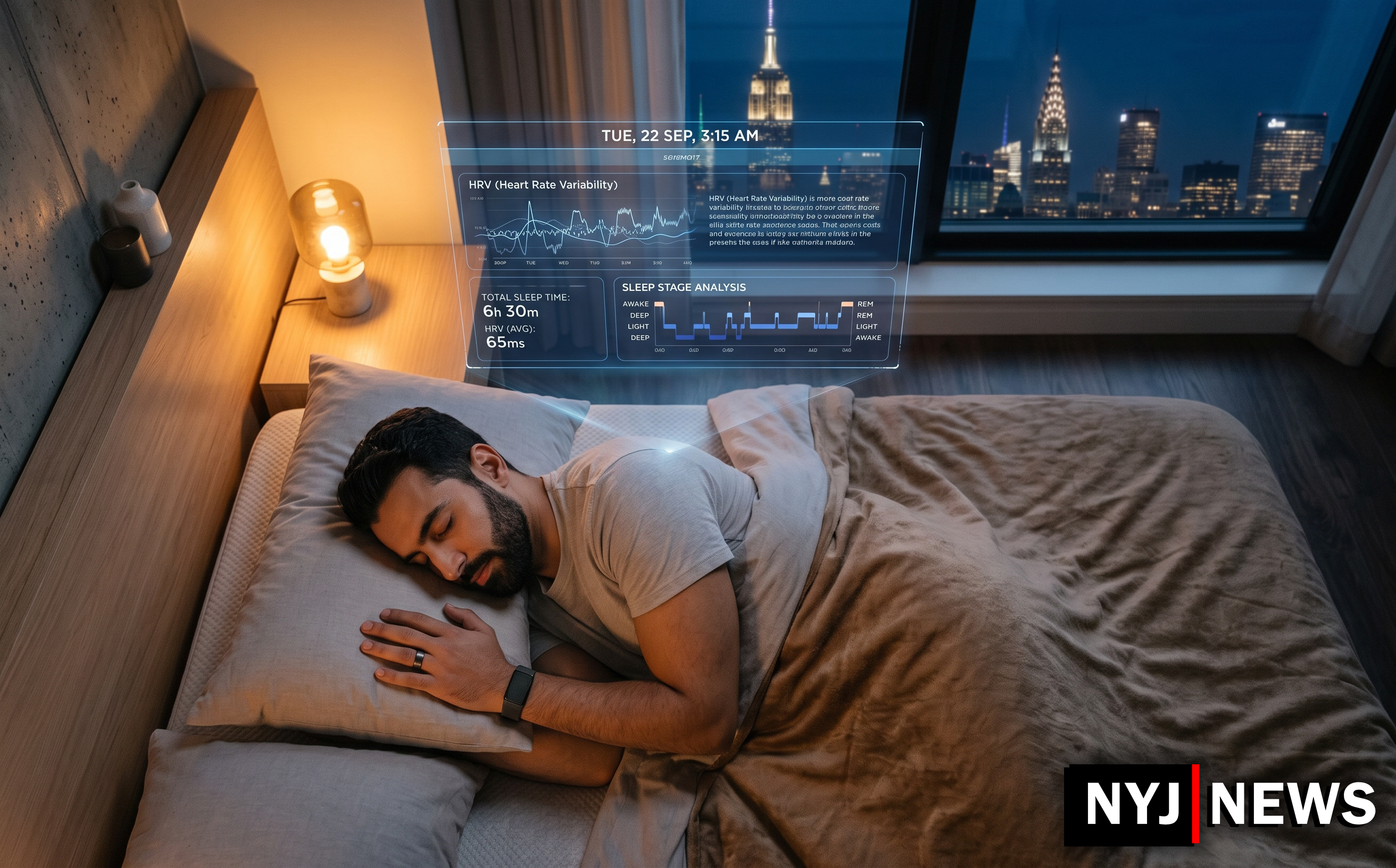
At the center of it all is data. Wearable devices like the Oura Ring and Whoop strap have gamified unconsciousness. Every morning begins with a verdict: a numerical score grading your REM cycles, heart rate variability, and deep sleep efficiency.
When Tracking Backfires: The Orthosomnia Trap While sleep scientists applaud the cultural shift toward valuing rest, they warn of a paradoxical side effect: orthosomnia. Coined by researchers in the Journal of Clinical Sleep Medicine, the term describes an unhealthy preoccupation with achieving “perfect” sleep data.
When people obsess over their wearable scores, the bed becomes a place of performance anxiety. Putting pressure on yourself to achieve ninety minutes of deep sleep activates the sympathetic nervous system—the exact fight-or-flight response that makes deep sleep impossible. Worse, many people wake up feeling rested, look at a low score on their phone, and immediately convince themselves they are exhausted.
The Rise of the “Sleep Divorce” Perhaps the most radical byproduct of sleepmaxxing isn’t technological, but relational. An increasing number of couples—nearly a third of Americans, according to the American Academy of Sleep Medicine—are opting for a “sleep divorce,” choosing to sleep in separate beds or bedrooms permanently.
Once whispered about as a precursor to an actual breakup, separate sleeping arrangements are now openly celebrated by therapists and lifestyle influencers alike. When one partner is a light sleeper and the other snores or works late, sharing a bed becomes a nightly battleground. Couples who decamp to separate rooms report not only better cognitive function during the day, but significantly higher relationship satisfaction—proving that resentment is far worse for romance than a hallway between bedrooms.
What Actually Works: The 10-3-2-1-0 Rule Before investing thousands in smart mattresses and red-light panels, sleep researchers suggest mastering the fundamentals through the 10-3-2-1-0 framework:
• 10 hours before bed: No more caffeine
• 3 hours before bed: No heavy meals or alcohol (which destroys REM sleep despite making you drowsy)
• 2 hours before bed: No more work
• 1 hour before bed: No screens
• 0: The number of times you hit the snooze button in the morning
In the end, the best sleep hack isn’t an algorithm—it’s letting go of the need to optimize every second of the night.